Friday, May 31, 2024
ഗാന്ധിജിയെപ്പറ്റി സത്യൻ അന്തിക്കാടിൻ്റെ കുറിപ്പ്..
Thursday, April 25, 2024
ഇത്തവണ ഇന്ത്യക്ക് കൈ കൊടുക്കാം, രാഹുലിനും
മതവും ജാതിയും കലർന്ന വിഷം കലക്കി ഒഴിച്ചിട്ട് അവൻ്റെ കൂലിപ്പട്ടാളത്തിൻ്റെ ഒരു മുറിയും തന്നിട്ട് ഇപ്പോൾ ഇത് പതിനഞ്ച് രാജ്യങ്ങളാകും എന്ന് വിചാരിച്ച് ഇന്ത്യ വിട്ട സായിപ്പ് സത്യത്തിൽ തോറ്റ് പോയത് പണ്ഡിറ്റ്ജിയോടാണ്.
ഇന്ത്യക്ക് സ്വന്തമായി ഒരു ഏകീകൃത സത്വവും, കൂറുള്ള സൈന്യവും, നമ്മിൽ പരസ്പര വിശ്വാസവും ഉണ്ടാക്കിയത് അദ്ദേഹമാണ്. അദ്ദേഹം നമ്മെ കൂട്ടിയിണക്കിയത്, സ്നേഹത്തിൻ്റെയും, പരസ്പര വിശ്വാസത്തിൻ്റെയും വിട്ടുവീഴ്ചകളുടെയും ആത്മവിശ്വാസത്തിൻ്റെയും കരുതലിൻ്റെയുമൊക്കെ ഇഴകളിലാണ്.
2014 ലാണ് നമുക്ക് സ്വാതന്ത്യം കിട്ടിയതെന്ന് പറയുന്ന എട്ടുകാലി മമ്മൂഞ്ഞുമാർ അദ്ദേഹത്തിൻ്റെ നിഴലിനെപ്പോലും ഭയക്കും !
ധാർഷ്ട്യവും ഗീർവാണങ്ങളും ഒഴിവാക്കലുകളും അത്യാഗ്രഹങ്ങളും വെറുപ്പും അപകർഷതാബോധവും ഭയവുമൊക്കെ മാത്രം കൈമുതലായവർക്ക് രാഷ്ട്ര നിർമ്മിതി അന്യമാണ് ! അവരെ സംബന്ധിച്ചിടത്തോളും രാഷ്ട്രമെന്നാൽ വെറും അതിരുകൾ മാത്രമാണ്, അതിനുള്ളിലെ വിഭവങ്ങൾ കൈകാര്യം ചെയ്യുന്നതിനും വിറ്റഴിക്കുന്നതിനുമുള്ള അവകാശം കൈവരിക്കലാണവർക്ക് രാഷ്ട്രീയം.
ബ്രിട്ടീഷ്കാരൻ്റെ കാല് കഴുകിയ വെള്ളം അമൃതായിരുന്നവന് ഇന്ന് പണമിട്ട് പണം വാരുന്ന സേട്ടുവിൻ്റെ കാലാണ് രാജ്യം. ഇണകളെ "രക്തശുദ്ധിയുള്ള" കുട്ടികളുണ്ടാവാൻ പ്രമാണിമാരോടൊപ്പം അയക്കുന്നതാണ് അവരുടെ "സംസ്കാരം". തന്നെക്കാൾ ശക്തന് മുന്നിൽ വാലാട്ടുന്നതും, അബലൻ്റെ മുകളിൽ കുതിര കയറുന്നതുമാണ് അവർക്ക് ധർമ്മം. "നമുക്ക് ജാതിയില്ല, നമുക്ക് മതമില്ല" എന്നു പറഞ്ഞ ഗുരുക്കൻമാരെ ജാതിയുടെയും മതത്തിൻ്റെയും പേക്കോലങ്ങളാക്കുന്നതാണവരുടെ ബൗദ്ധിക ഔന്നിത്യം.
നിറങ്ങൾ ചുവർ നശിപ്പിക്കുന്നതായി കണ്ടാൽ ചുവരിനെ സംരക്ഷിക്കാൻ നിറങ്ങൾ മാറ്റുകയാണ് ഉചിതം. ചുവരുണ്ടെങ്കിലല്ലേ നിറം കൊടുക്കാൻ കഴിയൂ.
ശ്രദ്ധിക്കുക, അവർ നമ്മുടെ ഇന്ത്യയെ, പുട്ടിൻ്റെ റഷ്യയെപ്പോലെയോ, ഷീയുടെ ചെെനയെപ്പോലെയോ ഉപജാപക സംഘങ്ങളുടെ തട്ടകമാക്കും.
രാജ്യസ്നേഹമെന്നാൽ അതിരു കാക്കൽ മാത്രമല്ല അതിനുള്ളിലെ വിവിധ തരങ്ങളിലുള്ള മനുഷ്യരെയും അവരുടെ ചിന്തകളെയും ഇഷ്ടാ നിഷ്ടങ്ങളെയും അംഗീകരിക്കൽകൂടിയാണെന്ന് രാഹുൽ വിളിച്ച് പറയുമ്പോൾ, പണത്തിനും പദവിക്കും നിറത്തിനും സൗന്ദര്യത്തിനും ഇഷ്ടങ്ങൾക്കും വിശ്വാസങ്ങൾക്കും ഉപരി എല്ലാവർക്കും ഒരുപോലെ തല ഉയർത്തി പരസ്പര വിശ്വാസത്തോടെ ജീവിക്കാനുള്ള അവസരമുണ്ടാക്കലാണ് എന്ന് ഓർമ്മപ്പെടുത്തുമ്പോൾ, വിറളിപിടിക്കുന്നവർക്ക് അദ്ദേഹത്തെ ഭയമാണ്.
പ്രത്യേകിച്ചും രാഹുൽ പണ്ഡിറ്റ്ജിയുടെ ചിന്തകൾ പിന്തുടരുന്നു എന്ന് കൂടി തിരച്ചറിയുമ്പോൾ...
രാഹുലിനെ പുച്ഛിച്ച് ഇല്ലാതാക്കാൻ ശ്രമിക്കുന്നവരുടെ മനസ്സിലെ ഭയം, വെറുപ്പ്, അസഹിഷ്ണുത, അപകർഷതാ ബോധം എന്നിവ സ്വാഭാവികം മാത്രം.
നാം ഉണരേണ്ട സമയമായിരിക്കുന്നു!
ചിന്തിക്കുക. രാഹുൽ ആരാണെന്ന്! അദ്ദേഹം പറയുന്നതെന്താണെന്ന്!
രണ്ട് വലിയ യാത്രകളിൽ നിന്നുള്ള തിരിച്ചറിവുകൾ അഞ്ച് ന്യായ ലക്ഷ്യങ്ങളായി രാഹുൽ നമ്മുടെ മുന്നിൽ വയ്ക്കുന്നു.
പണ്ഡിറ്റ്ജിയുടെ ഇന്ത്യയെ, വൈവിധങ്ങളുടെ ഇന്ത്യയെ, ഒത്തൊരുമയുടെ ഇന്ത്യയെ തിരിച്ചു പിടിക്കാൻ ഇത്തവണ രാഹുലിന് കൈ കൊടുക്കാം.
Saturday, April 6, 2024
Lailathul Khadr (ലൈലത്തുൽ ഖദ്ർ)
What is Lailathul Khadr (the night of decision/decree)?
It is being believed that the Holy Quran (which carries the same root message of the unrevieled mother book!) was delivered by GOD as a series of voice messages via the angel Gibrael (Gabriel, Jambavan ?) during the Arabic lunar month of the Ramzan. The fasting in Ramzan is to express gratitude to the delivery of the holy message. It is also believed that the 27th night of Ramzan is auspecious, prayers on that day is more accepted and the doors of heaven are open then! It is something similar to the Vaikunda Ekadashi of Margazhi (vrishchikam-makaram).
എന്താണ് ലൈലത്തുൽ ഖദ്ർ (നിർണ്ണയത്തിൻ്റെ രാത്രി)?
റംസാൻ എന്ന അറബി ചന്ദ്ര മാസത്തിൽ, വെളിവാക്കപ്പെട്ടിട്ടില്ലാത്ത മൂല ഗ്രന്ഥത്തിൻ്റെ അതേ മൂല സന്ദേശവുമായി, വിശുദ്ധ ഖുർആൻ, വാമൊഴിയായി ജിബ്രീൽ (ഗബ്രിയേൽ, ജാംബവാൻ?) എന്ന മാലാഖ വഴി ദൈവത്തിൽ നിന്ന് പ്രവാചകന് ലഭിച്ചു എന്നാണ് വിശ്വാസം. ഇതിന് നന്ദി സൂചകമായാണ് ഈ മാസം വൃതം അനുഷ്ടിക്കുന്നത്.
റംസാനിലെ 27-ാം രാവ് അനുഗ്രഹീതമാണെന്നും പ്രാർത്ഥനകൾ സ്വീകരിക്കപ്പെടുമെന്നും സ്വർഗ്ഗ വാതിലുകൾ തുറക്കപ്പെടുമെന്നുമൊക്കെ വിശ്വസിക്കപ്പെടുന്നു. മാർഗ്ഗഴി (വൃശ്ചികം - മകരം) മാസത്തിലെ വൈകുണ്ഡ ഏകാദശി പോലെ.
Saturday, March 16, 2024
CAA 2019, the Context
CA to CAA 2019
Bill, Act, Rules/Regulations, Notification
An act is first presented in the
Lok Sabha (LS, lower house) as a “Bill”, after passing it there, it is tabled
in Rajya Sabha (RS, upper house). The Joint Parliamentary Committee (JPC) may also
screen and provide suggestions on bills, but all of their recommendations may
not be always incorporated. Once the bill gets passed in both houses, it
gets the President's node and thus becomes an “Act”. The Committee of
Subordinate Legislation, senior legal experts and bureaucrats create rules and
regulations for the act, and the act is “notified” with these details. Most of
the time the notification of the act happens within 6 months of the President's
node.
Citizenship Act
India formed its Citizenship Act (CA) in 1955, which
envisaged citizenship in the following ways:
·
By Birth – A person born in Indian republic
·
By Registration – a person applies for Indian
citizenship and it’s granted by the union government. This does not apply to
illegal migrants.
·
By Descent – people born outside India, to
Indian parents, but do not hold a passport of another nation
·
By Naturalization – if one lives in India for 11
years
·
By Territorial Incorporation – like assession of
Sikkim
Panditji leads this legislation,
keeping high humanitarian values. He and other tall leaders wanted to envisage
India as a hope for suffering people around the world. We wanted to open our
doors for the needy non-criminal people during their sufferings. If the
situation in the source states is better and the people want to return, it
is also supported.
Citizenship (Amendment) Acts
Citizenship Act (CA) was amended on several occasions, known as CAA - Citizenship (Amendment) Acts:
- CAA 1986 – by birth citizenship was restricted, and only if one of the parents was a valid citizen of India at the time of the birth, the kid was granted citizenship. Almost all parties supported this amendment, during Rajiv Gandhi
- CAA 2003 – This amendment made it more stringent so that only if both the parents are Indian citizens, the newborn is granted citizenship, based on a strict blood relationship. It also restricted an illegal migrant from gaining citizenship, even if more than 7 years he/she is resident of India. This amendment was during the third Vajpayee ministry. During the discussions, Dr Manmohan Sing (leader of the opposition) invited the attention of L K Advani (home minister) regarding the religious persecution of minorities in Bangladesh.
- CAA 2015 – Merged Person of Indian Origin (PIO) to Overseas Citizen of India (OCI) and introduced Overseas Citizen Card Holder. This amendment was added during the first Modi ministry.
- CAA 2019 – permits 6 communities (Hindus, Sikh, Buddhists, Jains, Parsis and Christians) entered from 3 neighbouring countries (Pakistan, Bangladesh and Afghanistan) before 2014 Dec 31st to continue in India. This clause was in the assumption that these 6 communities are experiencing prosecution in these 3 countries and to legalize their illegal migration till 2014. This act exempted such migrants from the Passport Act and Foreigners Act to protect them from considering illegal migrants. Along with this, this amendment reduced the naturalization period from 11 years to 5 years.
Refer: https://indiankanoon.org/doc/305990/
Before CAA 2019, the rules and regulations of the below acts were amended to include similar restrictions during 1998 – 2004, by the Vajpayee ministry. Alongside the jail term of illegal migrants was increased from 3 years to 5 years. But this has not attracted any protests as it was not part of the act
- The Passport Act
- The Foreigners Act
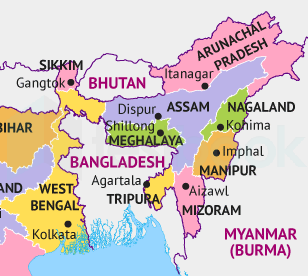
ADC, ARC, ILP and relaxation of CAA 2019
The exceptions added in CAA 2019 are exempted from ILP and Sixth Schedule areas. Effectively CAA 2019 is now applicable only to around 60 % of Assam only in the North East
- Inner Line Permit (ILP) areas are notified tribal areas. Arunachal Pradesh, Nagaland, Mizoram and Manipur come under ILP. Manipur was added to this list in 2019
- Autonomous District Councils (ADC) and Autonomous Regional Councils (ARC) are tribal communities of governance in the states of Assam, Tripura, Meghalaya, and Mizoram (sixth schedule states). These councils get precedence over union government in many fronts.
Image: https://d18x2uyjeekruj.cloudfront.net/wp-content/uploads/2020/12/ilp.jpg
NPR and NRC
NPR - Residents contain
citizens and non-citizens. The National Population Register (NPR) first prepared in
2010 and then updated in 2015. It is a data of usual residents of India, who
live in a locality for around 6 months or is about to stay there for about 6
months. NPR is not directly prepared based on census data; independent
enumeration is performed.
NRC - National Citizen
Register (NCR/NIRC/NCR) first appeared in discussions during 1951, as part of the Nehru–Laquat pact and the first census on Assam. NRC is only prepared for Assam,
during the 1951 census. It is not decided yet, when or whether to prepare NRC for
the entire India.
Example: A Japanese student doing regular study in an
Indian college for 3 years may appear in NPR, but not in NRC
The Registrar General of India under the Union Home Ministry of India is overseeing the below
- Birth and Death Registration Act 1969, records births and deaths in India.
- Census – data compiled by nationwide enumerators who collect data based on a pre-defined questionnaire, every 10 years starting from 1951. Registrar General acts as Census Commissioner
- NPR is also overseen by the Registrar General of the Union Home Ministry
- NRC - The Registrar General of India acts as Registrar General of Citizen Registration
Political Context
Independence and Partition
The partition of India gave
birth to segments of Pakistan, the current Pakistan and East Pakistan, (current
Bangladesh).
The people of the East Pakistan
were speaking Bangla and was dominated by Muslims. Religious prosecutions, lack
of livelihood, better opportunities, etc triggering illegal migrants from East Pakistan. West Bengal and most of the tribal states of the northeast were
affected by this. The cultural and social order of them was shaken by the
Bangla-speaking migrants in high numbers. Assam was one of the most affected
states, which was affected by violent protests against this migration.
Nehru – Liaquat Pact
In 1951, as per the Nehru–Laquat pact or Delhi pact, it was aimed at returning the illegal migrants back to East Pakistan. National Citizen Register was envisaged to identify valid Indian
citizens of India in Assam, for this purpose. But, in parallel, the illegal
migrations used to continue in volume to India from East Pakistan. Unlike
its western borders, India was lenient to the eastern borders due to
humanitarian and political reasons, at that time.
Bangladesh
Later in 1971, East Pakistan was liberated as Bangladesh. The political and humanitarian context changed by the freedom of Bangladesh and India eventually decided to go strict on the illegal immigrant issue from Bangladesh. During the civil war and the independence movement, migration was at its peak, even after that, the inflow was not getting reduced.
Image: https://storage.googleapis.com/tb-img/production/21/02/bhutan.PNG
|
|
|
IMDT Act
In 1979, the Assam Movement
was launched against illegal migration.
The Illegal Migrants
(Determination by Tribunals) (IMDT) Act was introduced in 1983 by the Indira Gandhi
ministry, specifically for Assam to detect and expel illegal Bangladeshi
immigrants from Assam. It also suggested special protection for minorities
affected by Assam Agitation. IMDT act was specific to Assam and the rest of the
Indian states were supposed to abide by The Foreigners Act.
Supreme Court of India nullified
the act in 2005, saying that the conviction rate is less, though the union
government argued that it wants to expel people only lawfully.
The Assam Accord
In 1985, during Rajiv Gandhi's ministry, the Assam Accord was formed to normalize the illegal immigrant issue in the context of the birth of Bangladesh and the Assam Movement. It was decided to deport the illegal Bangla-speaking immigrants to Bangladesh, with a high-level compromise package
- People entered Assam from Bangladesh on Jan 01, 1966, which was considered as a year for determining foreigners. Residents before this date were regularized
- People entering Assam between Jan 01, 1961 and March 24, 1971, were allowed to request for citizenship but, to be barred from electoral rolls till 1981. The Assam NRC was to use March 24, 1971, as the cutoff date
- All refugees and migrants after March 25 1971 decided to be deported to Bangladesh
The Assam NRC
Though Assam NRC was planned, the
union government was not actively acting on it, mostly due to humanitarian
concerns and was trying a slow route. The government selected two pilot districts
in 2010, but the process was halted due to protests. Though it strengthened the
eastern border, it was not taking any aggressive steps that may lead to mass
deportation.
Later the Supreme Court of India interfered and a reputed IAS officer Prateek Hajeela was directed to oversee and complete the Assam NRC process.
- 3,11,21,004 (3 crores plus) people were included in NRC
- 19,06,657 (19 lakh) people were excluded from the NRC (less than half of the first draft of 41 lakh people), which includes:
o
63 % non-Muslims (above 12 lakhs)
o
37 % Muslims (around 7 lacks)
Refer: https://thewire.in/rights/detention-criminalisation-statelessness-the-aftermath-of-assams-nrc
CAA 2019 and Assam NRC
The 2019 amendments of CAA are
mainly aimed at protecting the 63% non-Muslims in the final draft of Assam NRC.
This move is being objected to on several fronts
- · In Assam, the resistance is against protecting a section of the NRC
o
Only 30% of Assam is exempted from CAA 2019 (ILP
and Sixth Schedule)
- · In the rest of India, the protests are against
o
Adding a religious angle to the problem and
constitution, it is against Article 14, Article 65 etc.
o
Excluding many known minorities - Jews, Shia,
Ahammedia, Sufi, etc.
o
Questions on why 6 communities, from 3 nations
and on what basis 2014 was decided as the cut-off year selected etc.
The amendment was first presented
as a bill in Lok Sabha in 2015 but has not passed the Rajya Sabha. Hence, it
was re-introduced in 2019, as a bill again. The Indian National Congress and
most of the opposition boycotted the parliament session in protest since they
did not have enough numbers to fail the bill. The bill became an act in
2020, but the rules and regulations were notified, siting the COVID pandemic. There
was speculation that the 2022 assembly elections of Assam were the real reason
for not notifying the act then. The notification later came in March of 2024,
ahead of parliament elections.
Electoral Advantage Aims of Right-Wing
We can see from the evolution of CAA; that the BJP has been consistent in shifting Indian Citizenship from a relatively open
birth-based one to a relatively closed blood relationship-based one. Another
aspect of the change is that the onus of identifying a citizen has been
transferred from state to individual.
The 2019 amendment would have been a
normal one if it was only aimed at protecting the minority sections fighting
persecution in neighbouring countries. The callout of 6 named communities from
3 named Muslim countries is a deliberate attempt to give religion colour to
citizenship. In fact, the suggestion came from the Joint Parliamentary Committee
(JPC) by Subhash Kashyap but was not considered.
The far-right capital-driven
organizations like RSS and BJP may benefit in elections from the
polarization and mistrust created out of the protests against CAA. This may be
an immediate motive of notifying CAA 2019 rules and regulations, just before
elections. The rehabilitation of non-Muslim migrants for electoral gains
may also be speculated as a long-term goal.
Who is Affected?
The CAA 2019 amendment only
affects the people who are not on the Assam NRC list now. It does not affect any
citizen outside Assam now.
The speculation is that, if NRC
is rolled out to the entire nation and CAA is applied to it, the Muslims will be
affected them. But that remains mere speculation, as Modi ruled out NRC for
now.
Fear as a tool
Gandhiji advised us not to fear.
Fear generates anger and violence. Fear is used to oppress. In fact, fear
is forcing one to do oppression, most of the time the oppressed may be
fearless. An atmosphere of fear spoils
may lead to wrong decisions and conclusions. Hence it is very important to
resist fear. All who enjoy power and authority love to create fear to keep
their position. It is funny to see that they are subject to fear as they are
afraid of everything around them and express that fear as aggression.
Both the majoritarian outfits
like the BJP and minoritarian outfits like SDPI love to generate fear. An
atmosphere of fear and mistrust is good for them to achieve their capital and
material goals as people may be polarized based on fear.
CPIM also wish to fish from the
troubled waters and tries to utilize polarization in their favour. They
showcase violence to get the minority to consolidate for their electoral gains and are not much bothered about the divide it creates.
Hence,
we should realize the trap and have to be vigilant while taking up the resistance
against CAA 2019. Instead of heading violent protests against CAA 2019, putting
effort into regime change will be more beneficial. The Indian National Congress
takes a more humanitarian stand on such sensitive issues and generally do not
use force and urgency on sensitive matters.
Prepared based on online
sessions conducted by Ansulal Ponnarath for Sarvodaya Sangam conducted during
Mar 15 & 16, 2024
ഉറുമ്പുകൾ, കുതിര, പിന്നെ ഒരു പൂച്ചയും
കണ്ണിന് രണ്ടു വശത്തും ബ്ലിങ്കറുകൾ, പന്തയക്കുതിരകളുടേതുപോലെ! മുന്നോട്ടു മാത്രമേ കാണാൻ കഴിയുന്നുള്ളു! എൻ്റെ മുന്നിൽ എന്നെപ്പോലെ നിറയെപ്പേർ, പിറകിലോ? കാണാൻ കഴിയുന്നില്ല. ഞാൻ സർവ്വശക്ത്തിയുമെടുത്ത് തലതിരിച്ചു.
“ഹമ്മേ”! കട്ടിലിൽ നിന്ന് പൊത്തോന്നു തറയിൽ വീണു.
ഓ, സ്വപ്നമായിരുന്നല്ലേ! എന്തായാലും വലുതായൊന്നും പറ്റിയില്ല. 6 മണിയായിരിക്കുന്നു. ഇനി കിടന്നാൽ ശരിയാകില്ല. ഓഫീസിൽ പോകണ്ടേ? ചുമ്മാ ഒന്ന് നടന്നു വരാം.
അല്ല, ഈ ഉറുമ്പുകൾ വരിവരിയായി എങ്ങോട്ടാണ്?
പഴയ പൂമ്പാറ്റയിൽ വായിച്ചതോർമ്മ വരുന്നു – ഉറുമ്പുകൾ സാമൂഹിക ജീവികളാണ്. ഉറുമ്പുകൾക്കും തേനീച്ചകൾക്കുമൊക്കെ റാണിമാരുണ്ട്. റാണിമാർ കൂട്ടിലെ സുരക്ഷിതസ്ഥാനങ്ങളിരുന്ന് മുട്ടയിട്ടുകൊണ്ടിരിക്കും. അവരാണ് പ്രൊഡക്ഷൻ ഹൗസ്. ജോലിക്കാർ ഇങ്ങനെ വരിവരിയായി പോകും.
ജോലിക്കാർ പലതരമുണ്ട്! ഭക്ഷണം ശേഖരിക്കുന്നവർ, ചുമട്ടുകാർ, ഇണചേരുന്നവർ, യോദ്ധാക്കൾ, അങ്ങനെ പോകുന്നു മനുഷ്യൻ തിരിച്ചറിഞ്ഞ ജോലികൾ! എന്തായാലും എണ്ണയിട്ട യന്ത്രങ്ങൾ പോലെ ഇവർ എന്തെല്ലാം ചെയ്യുന്നത് നമ്മൾ കണ്ടിരിക്കുന്നു? ചിലവ ആഹാര കണികകൾ ചുമന്ന് കൂട്ടിലെത്തിക്കുന്നു, കൂട്ടത്തിൽ ചത്ത ഉറുമ്പുകളെ ചിലവ വലിച്ചുകിണ്ടു പോകുന്നു, മുട്ടകൾ ചുമന്നു സുരക്ഷിതസ്ഥാനങ്ങളിലേക്കോടുന്നു, അങ്ങനെ എന്തെല്ലാം. വെള്ളമോ മറ്റു അപകടങ്ങളോ വന്നാൽ കൂട്ടിനെയും കൂട്ടരെയും സംരക്ഷിക്കാൻ ജീവൻ മറന്നും അവർക്കാവുന്നതെല്ലാം ഉറുമ്പുകൾ ചെയ്യുന്നത് ഞാൻ എത്ര തവണ കണ്ടിരിക്കുന്നു. ഉറുമ്പുകളിൽ തന്നെ പല ഇനങ്ങളുണ്ട്. ചിലവ പരസ്പരം യൂദ്ധം ചെയ്യുകയും തോൽക്കുന്നവരെ അടിമകളാക്കുകയും ചെയ്യുമത്രേ!
എന്തായിരിക്കും ഉറുമ്പുകളെ കമ്മ്യൂണുകളായി ജീവിക്കാൻ സഹായിക്കുന്നത്? അവർ കമ്മ്യൂണിസ്റ്റുകളാണോ? അവക്ക് രാഷ്ട്രബോധമുണ്ടാകുമോ? മതങ്ങളുണ്ടാകുമോ? ഏതെങ്കിലും സത്വബോധമുണ്ടാകുമോ? അതോ അവ ഏതെങ്കിലും തരം ലഹരിക്കടിമകളാണോ?
ഉറുമ്പുകളെ നോക്കിനിന്ന് എന്തൊക്കെയോ ആലോചിച്ചു കൂട്ടിയതല്ലാതെ നടക്കലൊന്നും നടന്നില്ല.
ക്ലോക്കിൽ എട്ടടിക്കുന്നു! ചടപടാന്ന് തയ്യാറായി ഓടാനുള്ള സമയമേ ഉള്ളൂ. “ഹറി അപ്പ് മാൻ”, സ്വയം ആവേശഭരിതനാക്കിക്കൊണ്ട് ഞാൻ ബാത്റൂമിലേക്കോടി.
ബസ്സ് ഏതാണ്ട് നിന്ന മട്ടാണ്. നേതാവിന്റെ ചിത്രങ്ങളും പേറി ഒരുകൂട്ടം ആൾക്കാർ. ഏതോ പ്രതിഷേധമോ അനുഭാവമോ മറ്റോ ആണ്. രാവിലത്തെ ഉറുമ്പുകൾ മനസ്സിലൂടെ ഇപ്പോഴും അരിച്ച് നടക്കുകയാണ്, ഉറുമ്പുകളുടെയത്ര അച്ചടക്കമൊന്നും അണികൾക്കില്ല, നേതാവ് മുട്ടയിടുന്നുമില്ല! ബസ്സ് ഓടിത്തുടങ്ങി.
ജോലിയിലേക്ക് ഞാൻ ധൃതിയിൽ കടന്നു. ഇതിൽ പിന്നെ സംശയങ്ങൾ ഒന്നുമില്ല, ഒന്നും ചിന്തിക്കേണ്ട. എന്നത്തേയും പോലെ ഇന്നും ചെയ്താൽ മതി, എല്ലാം നല്ല നിശ്ചയമാണ്. ഒരുവിധം പണി ഒതുങ്ങിയപ്പോൾ അമ്മയുടെ പഴഞ്ചൊല്ല് മനസ്സിലേക്ക് ഓടിയെത്തി – “നിത്യതൊഴിൽ അഭ്യാസം”. ശരിയാണ്, എല്ലാം നിസ്സംഗതയോടെ ചെയ്യാൻ കഴിയുന്നു, ഒരഭ്യാസം പോലെ. ഒരുപക്ഷെ ഇത് തന്നെ ആയിരിക്കുമോ ഉറുമ്പുകളും ചെയ്യുന്നത്?
ഒരു ക്വാർട്ടർലി അച്ചീവ്മെന്റ് അവാർഡിന്റെ മെയിൽ പൊങ്ങി വന്നു. അഭിനന്ദനങ്ങൾ! ശ്രീക്കുട്ടനാണ് ഇത്തവണത്തെ കറുത്ത കുതിര! എനിക്കും കിട്ടി ഒരു യൂണികോൺ! അതും ഒരു കുതിരയാണ്, ഒറ്റക്കൊമ്പൻ. ഫോക്കസ്, ഡെഡിക്കേഷൻ, കമ്മിറ്റ്മെന്റ് – അങ്ങനെ സാധാരണ കാണുന്ന വാക്കുകൾ എല്ലാം നിറഞ്ഞ ഒരു കുതിരപ്പത്രം.
രാവിലത്തെ സ്വപ്നത്തിലെ ബ്ലിങ്കറുകളും കടിഞ്ഞാണുകളും കുതിരയോടൊപ്പം മനസ്സിലേക്കോടിയെത്തി. ബ്ലിങ്കറുകൾ ഫോക്കസ് ഉറപ്പിക്കുന്നു! കടിഞ്ഞാണുകൾ കമ്മിറ്റ്മെന്റും! ഡെഡിക്കേഷന് പറ്റിയതൊന്നും സ്വപ്നത്തിലുണ്ടായിരുന്നില്ല. ലാടങ്ങളെ ഒരുപക്ഷെ സെക്യൂരിറ്റിയുമായി ബന്ധിപ്പിക്കാമായിരുന്നു. ഇന്നത്തെ ഓലയിൽ അത് വിട്ടുപോയെന്നു തോന്നുന്നു, വേറെ ആർക്കെങ്കിലും കൊടുത്തു കാണും.
ശക്തനായ കുതിര, ലാടങ്ങളും ബ്ലിങ്കറും കടിഞ്ഞാണും മറ്റാഭരണങ്ങളും അഭിമാനത്തോടെ ധരിച്ചിരിക്കുകയാണോ? അതോ അവയെല്ലാം ഒരു അടിമയുടെ അലങ്കാരങ്ങളാണോ?
ചിന്ത കാടു കയറേണ്ട എന്ന് കരുതി ന്യൂസ് പോർട്ടലുകളിൽ ഊളിയിട്ടു. ഇന്നും കുറേപ്പേരെ രാജ്യദ്രോഹികളായി പ്രഖ്യാപിച്ചിയ്ക്കുന്നു! രാജ്യഭക്തരെല്ലാം ഭയങ്കര സന്തോഷത്തിലാണ്! പിന്നെ കുറെ നിസ്സംഗരും.
എല്ലാത്തിനും ഒരു ഉറുമ്പിന്റെ മണം. രാവിലത്തെ ജാഥക്കാർക്കും, രാജ്യദ്രോഹികൾക്കും, രാജ്യഭക്തന്മാർക്കും,നിസ്സംഗർക്കും, യാന്ത്രികമായി ജോലി ചെയ്യുന്ന എനിക്കും എല്ലാം. ഉറുമ്പ് ഒരു സ്വാഭാവിക അടിമയാണ്. കുതിരയെ അടിമപ്പെടുത്തണം! ഉറുമ്പുകളും കുതിരകളും മനസ്സിലൂടെ വീണ്ടും ഓടുന്നു, ഇന്നിനി പണിയൊന്നും നടക്കില്ല. അകെ ഒരു ഓഫ് മൂഡ്.
ഉറങ്ങാൻ കിടന്നിട്ടും ഉറുമ്പുകളും കുതിരകളും വിടുന്ന മട്ടില്ല. ഉറുമ്പുകൾ ഒരു ലക്ഷ്യത്തിനു വേണ്ടി പാടുപെടുന്നു.കുതിരകളാകട്ടെ ചുറ്റുപാടുകളിലേക്ക് കുതിക്കുന്നു. ഉറുമ്പുകളെ നാം അടിമപ്പെടുത്തിയിട്ടില്ല, നാം അവയെ അനുകരിക്കാൻ ശ്രമിക്കുന്നു. കുതിരകളെ നാം അടിമപ്പെടുത്തുന്നു, അവക്ക് യാതൊരു ഉപയോഗവുമില്ലാത്ത പതക്കങ്ങളും പതാകകളും നൽകി ആദരിക്കുന്നു. ചിന്തകൾ എപ്പോഴോ ഉറക്കത്തിനു വഴി മാറി.
ഇന്നും വിയർത്തു കുറിച്ചാണ് ഉറക്കമെഴുന്നേറ്റത്. സ്വപ്നം തന്നെ!
കുറെ മഹാ സൈന്യങ്ങൾ യുദ്ധമുഖത്താണ്, സൈനികരെല്ലാം മൂഖംമൂടി വച്ചിരിക്കുന്നു. അവർക്കു പുറകിൽ വലിയ പ്രസ്ഥാനങ്ങൾ നിൽക്കുന്നു, അതിലെ സൈദ്ധാന്തികരെല്ലാം മുഖംമൂടി വച്ചിരിക്കുന്നു. ഒരു വലിയ കാറ്റിൽ മുഖംമൂടികളെല്ലാം പറന്നുപോയി, എല്ലാവര്ക്കും ഉറുമ്പുകളുടെ മുഖം! റാണി ഉറുമ്പുകളെ സർവ്വശക്തരായി വാഴ്ത്തിക്കൊണ്ട് അവർ ആരവത്തോടെ ഭക്തിയോടെ കറങ്ങിക്കൊണ്ടിരിക്കുന്നു.
ഇടയിൽ അതാ ഒരു കുതിര! അത് കിതക്കുന്നു, കുതറുന്നു! ഉറുമ്പുകൾ അതിനെ പൊതിയുകയാണ്. ചാട്ടവാറുകളും ബ്ലിങ്കറുകളും ഇപ്പോൾ ഉറുമ്പുകളും! കുതിച്ച കുതിര കാലിടറി ഒരു തടാകത്തിലേക്ക് വീണു.അവ്യക്തമായി അതിന്റെ മുഖം തടാകത്തിൽ തെളിഞ്ഞു.
അയ്യോ! ആ കുതിരക്ക് എന്റെ മുഖം! പിന്നെങ്ങിനെ വിയർക്കാതിരിക്കും?
മുഖം കഴുകിയിട്ട് ഞാൻ കണ്ണാടിയിലേക്ക് സൂക്ഷിച്ച് നോക്കി. എന്നിൽ കുതിരയുടെ ഛായയാണോ ഉറുമ്പിന്റെ ഛായയാണോ കൂടുതൽ? വേണ്ട, മുറ്റത്തിറങ്ങി ആകാശത്തേക്ക് നോക്കി നിൽക്കാം. പത്രം വരൻ ഇനിയും സമയമുണ്ട്. കുറച്ചു നേരം ചുമ്മാ നിൽക്കാം.
മതിലിൽ നിന്ന് ഒരു പൂച്ച ചാടി എന്റെ മുന്നിൽ വന്നു നിന്നു. അത് എന്റെ കണ്ണിലേക്ക് സൂക്ഷിച്ചു നോക്കി. അപകടകാരിയല്ല എന്ന് ഉറപ്പു വരുത്തിയശേഷം എങ്ങോട്ടോ ഓടിപ്പോയി. അത് ആ സമയത്ത് എന്നെ അവിടെ പ്രതീക്ഷിച്ചില്ല എന്ന് തോന്നുന്നു.
നാമില്ലാത്ത സമയത്ത് എത്രയെത്ര ജീവികൾ ഇതുപോലെ നാം നമ്മുടേതെന്നു കരുതുന്ന സ്ഥലങ്ങളിലൂടെ അധികാരത്തെക്കുറിച്ച് വേവലാതിപ്പെടാതെ കടന്നുപോകുന്നുണ്ടാകും? മനുഷ്യൻ ഏറ്റവും വിഡ്ഡിയായ ജീവിയാണോ? പൂച്ചകളെയും നമ്മൾ അടിമപ്പെടുത്താൻ തുടങ്ങിയിരിക്കുന്നു. എങ്കിലും പൂച്ചകൾ നമ്മോടൊപ്പം ജീവിക്കുമ്പോഴും സ്വതന്ത്രമായി വിഹരിക്കുന്ന ചുരുക്കം ജീവികളിലൊന്നാണ്.
പൂച്ചകളെ സ്വപ്നം കാണാൻ ഞാൻ എന്ത് ചെയ്യണം?
A vouch for a wasteless world
1. What a waste?
2. The are’s of wisdom
3 Rs of environment – reduce, reuse, and recycle.
- reduce: not only reduce the generation of residues but also reduce the consumption
- reuse: always look for options to reuse the side effects so that we can contain them
- recycle: the essential leftovers should be meaningfully recycled to make it useful
5 Rs of conservation – refuse, reduce, reuse, repurpose, and recycle
- refuse: we should not consume things that can not be reused or recycled
- reduce: limit the use of environmental resources to the basic needs
- reuse: build a habit of using things that can be used multiple times rather than use-and-throw stuff
- repurpose: before considering anything as a scrap think about other uses for it
- recycle: if it is inevitable to generate garbage, ensure that it is reprocessed to make something useful
7 Rs of sustainability – rethink, repair, recover, remake, refuse, respect, and restore
- rethink: instead of jumping to grab a new buzz, always think about whether it is a need
- repair: always give a chance to correct things rather than throwing away stuff that can be corrected
- recover: we should be vigil to the expiry of items to prevent them from becoming unusable
- remake: always look for resources within to remake that looking for new resources
- refuse: it is important to decide that we do not consume items that are of single-use
- respect: practices of the society to be respected, not to generate waste it cannot handle
- restore: lost environment and ecosystems may be restored whenever possible
3. Waste buckets
- food waste: the residue of food, dropouts, leftovers, and so on
- food packets: the cartons, cans, plastic and paper covers, tissues, napkins, and so on
- liquid waste: used and expired oil and detergents, contaminated water, and so on
- medical waste: used and expired pills, medicine, containers, equipment, and so on
- garden waste: leaves, wood, rotten flowers, fruits, snails, dead creatures, and so on
- furniture and utensils: furniture waste, utensils, tools, and so on
- toys and equipment: toys and equipment without electronics, and so on
- electronic and gadgets: televisions, gadgets, kitchen equipment, and so on
- hazardous items: batteries, chemicals, paint residues, and so on
- building debris: tiles, soil, cement, metal parts, and so on
- vehicle: old vehicles, tyres, parts, and so on
- books and study items: notebooks, textbooks, periodicals, pens, pencils,
- and so on
- procession: political and religious groupings
- festivals: generate specific patterns of waste
- events: marriages and get-togethers
4. Waste ways
- We could compare both experiments peripherally. The failure of Thiruvananthapuram corporation started from the over-social engineering applied to the waste collection part – the collection bins were replaced by women’s self-help groups, which were not consistent in experience.
- The collected garbage was piled indefinitely without treatment, due to many conflicts of interest, which led to environmental and livelihood issues.
5. Wise Wasteless World
6. TL; DR
- The definition of waste is evolving, instead of “waste” we should understand it as unusable items for the context
- Empathetic and sympathetic policy formation is required for sustainable, reliable and repeatable cycles to ensure a circular ecosystem
- 3 Rs of environment, 5 Rs of conservation and 7 Rs of sustainability are valuable wisdom for any policy formation regarding the problem of waste
- More detailed and practical segregation of items, patterns of waste generation, localized understanding and generalized treatment are important
- Reliability, consistency and maintainability are the main success drivers of any waste management policy/system. The sustainability and user-friendliness are keys to its acceptability.
- Instead of quick shortcuts and waste management at source, we should be open to global wisdom and have to focus on waste reduction and a generic and specific framework of cycles.
- Comprehensive policy guidelines and specific regulations are important. We should refer from Europe and other developed countries, with our volume in mind. The example of the Type C charger is worth to listen.
- A holistic approach to the circular economy is advocated, integrating the principles of reduction, reuse, recycling, and sustainability at every stage of consumption and waste generation. Success in waste management depends on the system’s ability to empathetically classify waste, implement specialized treatments, and ensure ease of use, operation, and adaptation.
7. Reference
- https://lap3.nl/service/english/
- https://www.wm.com/us/en/recycle-right/america-recycles-day
- https://en.wikipedia.org/wiki/Veolia_Environmental_Services
- https://lsgkerala.gov.in/system/files/2022-04/Report-2021.pdf
- https://www.earthreminder.com/3rs-of-environment-reduce-reuse-recycle/
- https://www.oslo.kommune.no/english/waste-and-recycling/recycling-in-oslo/
- https://rwsenvironment.eu/subjects/from-waste-resources/national-activities/national-waste/
അതിജീവനം
നീറുന്ന ഗസ്സ, ഉരുകുന്ന ഉക്രയിൻ,
മെലിയുന്ന ലിബിയ, തകരുന്ന സിറിയ.
അലയുന്ന ജനത, പൊലിയുന്ന ബാല്യം,
നുരയുന്ന രോഷം, എരിയുന്ന പകയും.
പലതുണ്ട് രാജ്യങ്ങൾ, പലതുണ്ട് മതവും,
പലതുണ്ട് ഭാഷകൾ, പലതുണ്ട് നിറവും.
പലതല്ലീ രോദനം, പലതല്ലീ വേദന,
പലതല്ലീ രക്തവും, പലതല്ലീ അശ്രുവും.
അധിപനുമധീനനും സായുധമേരുക്കൾ,
ആയുധ ലഹരി, അടിമത്ത ലഹരി.
ശോകവും പാപവും പേറുന്ന ലഹരി,
എല്ലാം തകർക്കുന്ന കമ്പോള ലഹരി.
ചരക്കിൻ വഴികളിൽ അധികാര യുദ്ധം,
നിലക്കും മുതലിനെ ഒഴുക്കുന്ന യുദ്ധം.
പരക്കെ കരാറുകൾ ഒരുക്കുന്ന യുദ്ധം,
കുതിക്കും ഓഹരിക്കാധാര യുദ്ധം.
ചെറുകാലമൊഴുകി നിലക്കുമീ ഓളം,
ഇനിയുമൊഴുകും രുധിരവും വ്യധയും.
അറിഞ്ഞുമനങ്ങാതെ നിൽപ്പു ഞാൻ,
അടിമമനസ്സിനെ ആഘോഷമാക്കുവാൻ.
അഴകുള്ള മനസ്സുകളൊഴിയുന്ന കാലം,
അഴുകുന്ന മനമുള്ളോരതിജീവിതൻ ഞാൻ.
അതിജീവനം, ഒരു കലയാണ് പോലും,
അതിലൂറും മൗനം, ഒരു നിലയാണ് പോലും!
Written for Srishti 2023, അതിജീവനം – Srishti
Sunday, January 14, 2024
Pattern changes in the 10th and 12th Board Examinations
National Curriculum Framework 2005
I am jotting down this note with extreme respect to the research and experiments NCERT is doing from time to time. I was going through the National Curriculum Framework 2005 as part of drafting this and I am highly delighted to see the clarity and care that have been put up there to groom the students across rural and urban backgrounds as well as to reduce undue pressure and competition on them during school days.
Creative and Critical Thinking (CCT)
The very applaudable initiative to include prime importance to design thinking aspects to schools via Creative and Critical Thinking (CCT) is yet another progressive aspect that will bring a far-reaching fundament change to us as a whole. I am very confident this will enable us to transition from solution providers to the right problem identifiers and will help our country to make an orbit shift to a developed nation.
Grading vs Screening
I also loud my sincere thanks to the very notion of classifying the grading examinations (like 10th and 12th board exams) and the screening examinations (entrance examinations) separately, and the idea of conducting screening exams by a centralized agency, multiple times a year. This not only allows pupil with different goals to excel but also will support them through multiple attempts to qualify for a generic screening process.
Need for some tuning?
I, as a parent and as a friend and relative of many parents and students of the past 10th and 12th grades, wish to humbly draw your kind attention to the NCERT board examinations of the last couple of years.
CCT patterns to regular examinations
Pupils have a general feeling that by virtue of creative and critical thinking, many times, entrance examination type of questions are being included in the board examinations. As we have a vivid spectrum of students and only a subset of them are interested in entrance examinations, this is found to be discouraging for many of them. It is also observed that many loving teachers are also echoing this concern and they are worried by the sorrow of their buds. It is being observed that, when concerns are raised, authorities grant moderation to compensate for the pattern difference to elevate some of the much-affected students by increasing their percentages.
Impact on basic studies
The children who are very serious about the overall percentage of marks may be most affected by this pattern. The award of moderation may not help them, as without that itself, they may be able to score above 80 percent of marks and the entrance patterned questions may be preventing them from scoring more than 95 percent. Such students are mostly ambitious to take up basic science, humanities, or linguistic-related studies and research, in my view. In my reading, they are the potential torchbearers and thought leaders compared to the technologists, who opt for fields like engineering, medicine, or commerce. It is a fact that many state boards are very liberal in granting marks. Hence, this question pattern may be crippling the chances of very bright students getting admission to basic streams.
Urban vs Rural Impact
In the urban areas, this trend is pushing students to enroll in entrance training centers directly, or many times schools themselves are getting working arrangements with large entrance training firms. Thus, the very efforts of NCERT to bring down undue load to students are diluted, indirectly. The specialized entrance training may not be feasible or affordable to kids from rural areas as well as from economically weaker sections and may be demotivated as some numbers of questions are getting reserved for specially trained ones.
Moderations are reactive
Moderations can be seen as a reactive measure to contain the increase in difficulty levels of examinations. But it also paves the way to dilute the quality of grading examinations, by which more students will be granted undue grades. This will have a ripple effect on the higher education sector, as a whole, due to the entry of fewer effective kids being admitted. The pressure on pupils getting admission via undue grades may be higher and may lead to a higher rate of dropouts. The overall productivity of graduates also may be affected in a bad way.
NCERT may review the patterns
NCERT may have to pay attention to the increase in entrance patterned questions in board examinations. This not only increases the urban–rural gap but also affects the overall productivity of education space, in general. This trend may be coming from the "one-exam-fits-all" mindset, referred to in the NCF 2005 document as well. My humble opinion is to completely de-link school-leaving board examinations from competitive entrance examinations, in letter and spirit as they are for different purposes.
Reference
- https://ncert.nic.in/pdf/nc-framework/nf2005-english.pdf
- Attention: Section 5.3 EXAMINATION REFORMS
- https://www.iitms.co.in/blog/national-curriculum-framework.html
- https://teachersgazebo.files.wordpress.com/2008/11/ncf-2005-presentation.ppt
Saturday, December 30, 2023
The west, conflicts in the east, before rest is lost..
Be vocal to stop wars, let us come out of our hypocrisy!
Are we just?
Watch it!
- The "East" was a word to demonize the rest of the world, by the West.
- It throws light into the dark age, which is seldom discussed, and it is not as dark as we are taught
- Establishment of identities, be it national, religious, linguistic, ethnic, or of any creed, always works against humanity, in general
- The Hebru was restored using Arabic, once the Hebru was almost lost.
- Socrates was a disciple of a lady, which shows the degree of women's empowerment once Europe had
- The civilizations were mostly created by governments. The civilization of the West was mostly built on its Pagan roots
- There was an ancient Great Library run by a lady named Hypatia, in the Greeze
- Destroying books was done multiple times by the European empires of the West, to hide their failures in governance, by using closed religious schools as tools.
- While empires tried to destroy books, a small group started Greek Academia to protect some
- Later the emperor Justinian banned academia as well. But some took asylum in Persia with a portion of books
- The Persian king Shahpur was jealous of the great library and was trying to build one. The books from academia were accepted with grace.
- He also collected books from different parts of the world - from India, China, etc
- Persians thus prevented complete loss of knowledge. They have not only collected knowledge but also enriched and built building blocks of modern inventions.
- Later the Arabs captured Persia, and they also participated in building knowledge.
- Persians and Arabs advocated religious freedom. Unlike what we were preached there were no forced conversions and Jews, Christians, Hindus, Buddhists, etc used to follow their thoughts in the medieval period.
- While Abu Backer took control from Persia, from Pakistan to Spain, there were only 2% Muslims, and 60% of the world's Christians were under his control, and it contained Hindus, Buddhists, etc.
- Later Europeans captured the empire and again they started using religion as a tool to conquer and to avoid consolidation of rebellions. Again freedom was at stake, women were marginalized, and so on (the artifacts of medieval European cultural decline)
- The collected and enriched knowledge then resurfaced as European wisdom, as we enjoy them with enhancements from modern-era Europeans and others.
- ...
Sunday, November 12, 2023
Stop the WAR, please!
What we sow, we may have to reap, blood never settles!
“Reap what you sow.”
“They sow the wind and reap the whirlwind.”
In Old Testament as well as Quran, there is a narration of a wrongdoing (calf worship) of the Israelites and Gods strong response against it. Above two proverbs may be traced back to this narration. [Old Testament - Hosea 8:7, Galatians 6:7, Quran - 2:54 (and verses around it)].
These sayings clearly say, wrong actions will certainly recoil.
Our great epic Mahabharata clearly portraits the aftermath and meaninglessness of conflicts. After the war, only dead and lost remains - most of the braves and their achievements are dead and the most remains are pained the women and children, with a highly damaged lively hood.
King Asoka realized the same meaninglessness of war, after Kalinga. He was blindly applying his force against the helpless civilians of Kalinga and the destruction and pain changed him, and the world.
The modern world is yet to realize it. The conflicts for and after European aggression of the world and the atrocities of two world wars have not made us realize the pain. Now, Israeli war lords may be thinking that they are solving the problem, instead they are making the wound much bigger.
Unfortunately, the modern world is crueler, most of us are not touched by the irony. Instead, our morality and values are termed so that we are ready to be beneficiaries of the restructuring after every conflict. We are becoming foxes of the old story and encourages the fight between goats.
Let us open our eyes, heart and mind to the man-made tragedies called wars and armed conflicts. Let us educate ourselves on the useless nature of it. We do not have Jawahar Lal Nehru or Mahatma Gandhi with us, we have to learn from the wisdom they have preached us to not to take sides on this inhuman exercise.
Holding on to anger is like drinking poison and expecting the other person to die - Sree Budha
“The hottest places in hell are reserved for those who, in times of great moral crisis, maintain their neutrality.” ― Dante Alighieri
... ashamed of us, everyone please introspect on what can we do to stop these bloody armed conflicts, in our capacity.
After all, no one wins and none of us can disown the responsibility of this. All of us have already failed 😥 revenge - counter revenge - counter counter revenge ... 😔
May the ongoing conflicts an eye opener for us and work towards peace. Please stop the war now.
- https://www.kingjamesbibleonline.org/Hosea-8-7/
- https://www.kingjamesbibleonline.org/Galatians-6-7/
- https://legacy.quran.com/2/51-57
- https://en.wikipedia.org/wiki/Golden_calf
- https://feminisminindia.com/2020/09/04/book-review-after-kurukshetra-by-mahasweta-devi/
- https://en.wikipedia.org/wiki/Ini_Njan_Urangatte
- https://letusdiscoverindia.com/the-kalinga-war-and-its-aftermath-ashokas-accession-to-the-throne/